What first-time visitors need to know
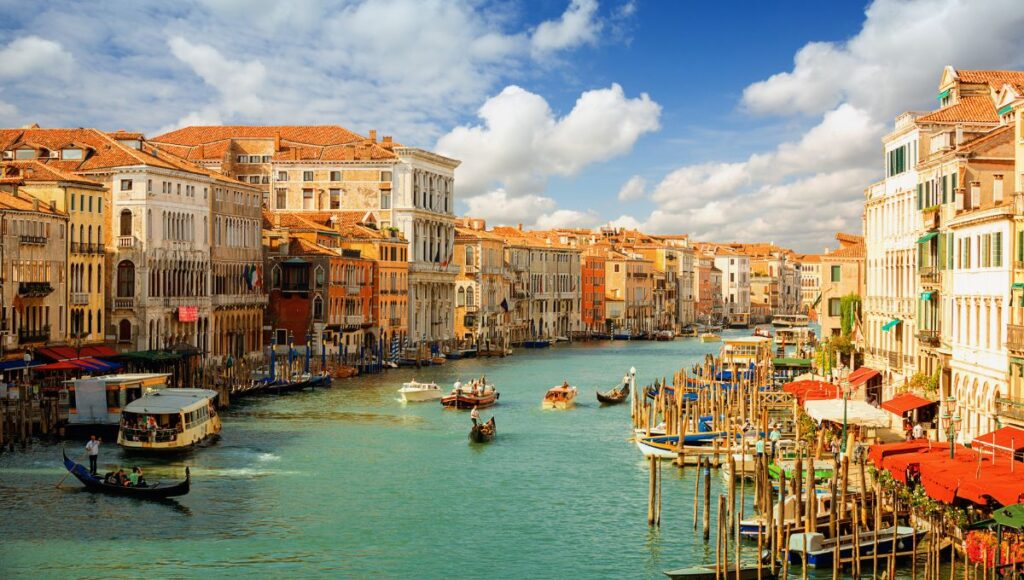
Venice is a destination that defies standard travel logic. It is a city of 118 islands, more than 400 bridges, and zero cars. Because of this, how you choose to stay in Venice affects almost every part of your trip.
Many travellers assume a land-based hotel is the obvious choice. However, the unique geography of the Venetian Lagoon means that even simple tasks, such as getting to your hotel or visiting an island, can quickly turn into a logistical puzzle.
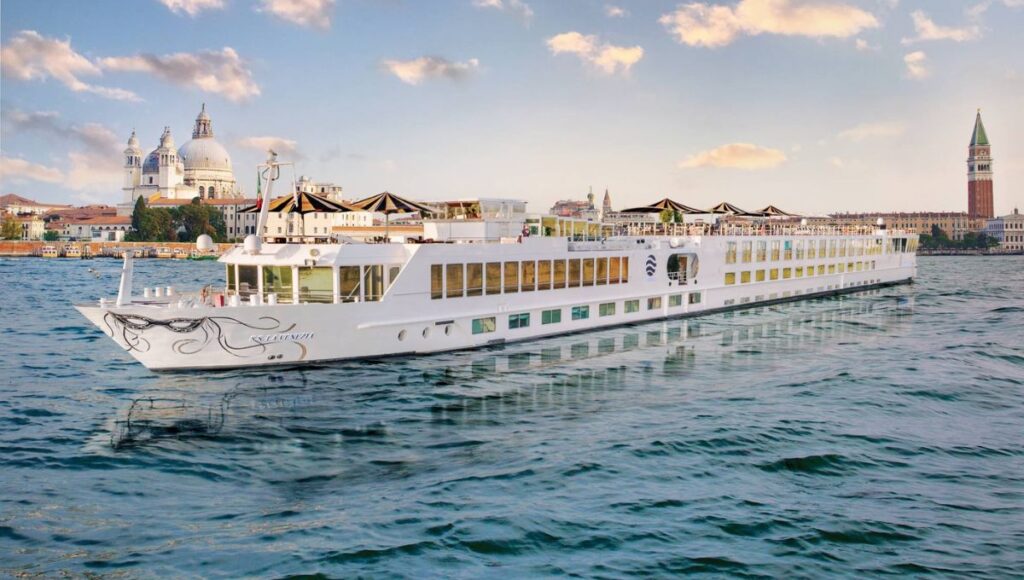
This guide compares staying in Venice vs a Uniworld river cruise, focusing on the real costs, effort, and day-to-day experience of each option. In particular, it looks at why the Uniworld S.S. La Venezia cruise often provides a simpler way to experience the region known as the Jewels of Veneto.
1. Arrival day
Staying in Venice
For many visitors, frustration begins within the first hour.
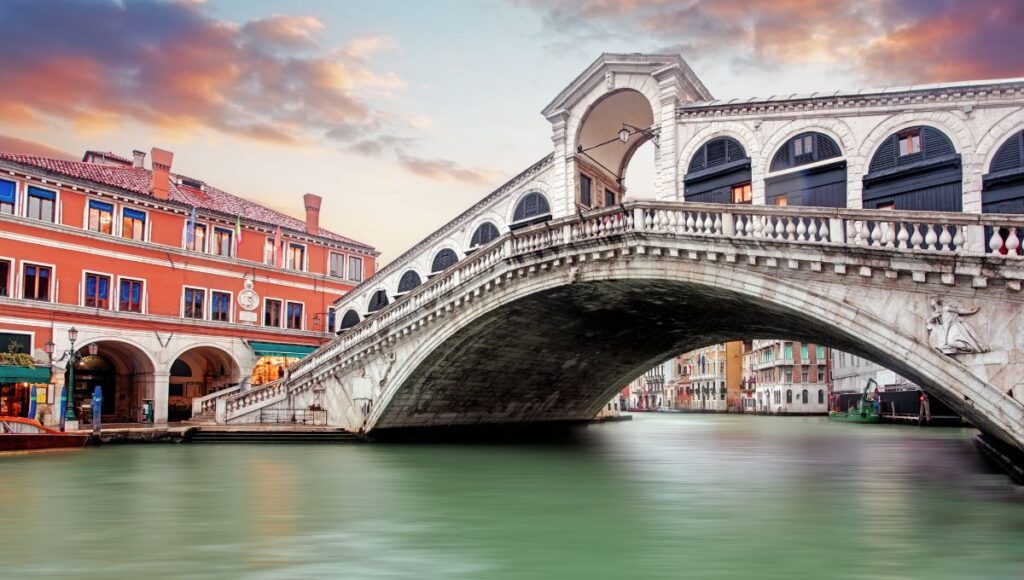
Venice is completely car-free. As a result, once you leave the airport or train station, you must either walk or take a boat to your hotel. Even when a hotel appears close on a map, the route often involves crossing four to six bridges, each with steep stone steps.
Dragging luggage over cobblestones is physically demanding and quickly damages suitcase wheels. Because of this, many travellers choose to book a private water taxi instead.
A private transfer from Marco Polo Airport to a hotel door typically costs between €120 and €160 one way. Transfers within Venice itself usually cost between €70 and €100.
In practice, arrival requires either significant physical effort or a high additional expense.
Uniworld S.S. La Venezia
With Uniworld, arrival works very differently.
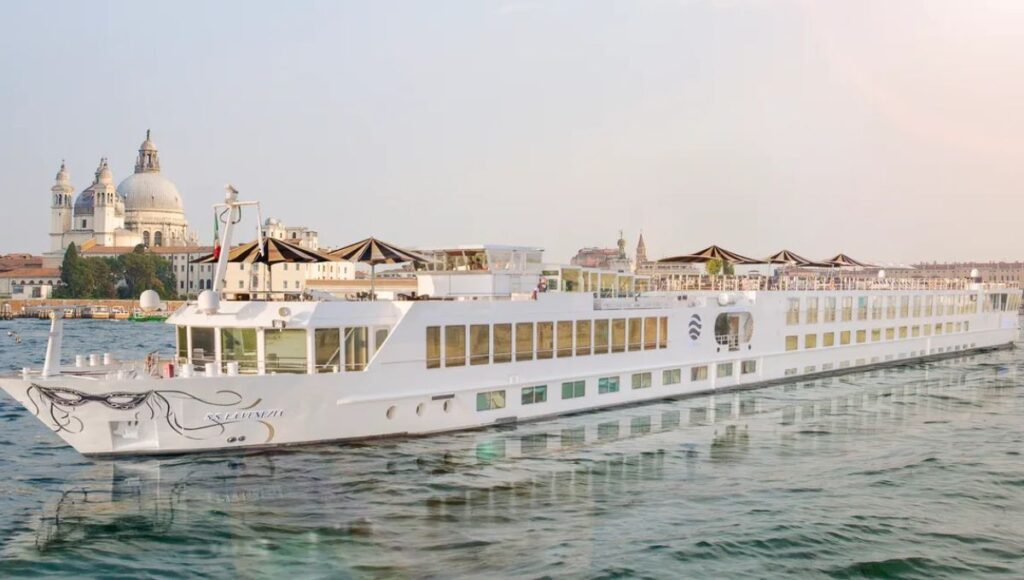
The cruise includes airport transfers on arrival and departure days. In addition, the crew handles luggage from start to finish. Since the S.S. La Venezia is permitted to dock within Venice, guests step directly onto their floating hotel.
As a result, you unpack once and avoid lifting luggage over bridges or navigating the city on arrival.
2. Sightseeing
Staying in Venice
Venice attracts millions of visitors each year, many of whom arrive as day trippers.
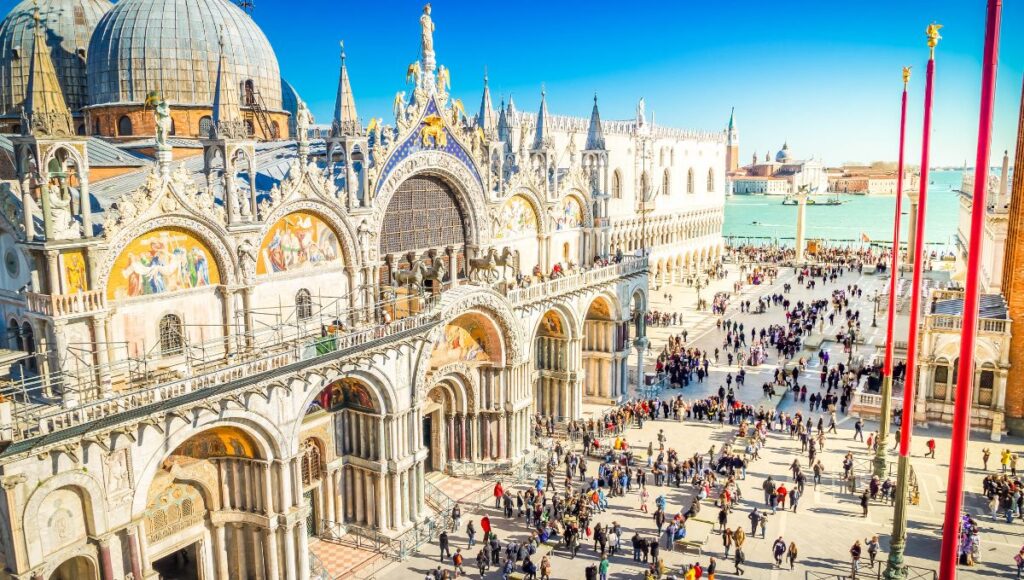
As a result, areas such as St Mark’s Square and the Doge’s Palace become extremely crowded from late morning onwards. During peak season, visitors must book timed entry tickets well in advance to avoid long queues.
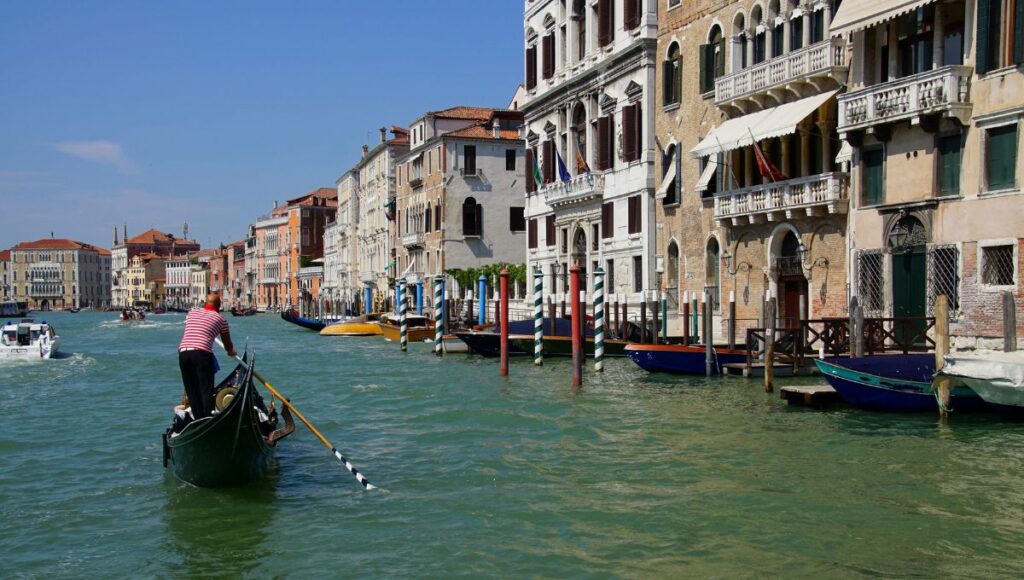
Even with reservations, you still share the experience with large numbers of people. At the same time, getting around the city often requires walking through crowded streets or using vaporetto water buses that fill quickly.
Uniworld Venice river cruise
In contrast, Uniworld structures sightseeing to reduce crowd pressure.
The Venice and the Jewels of Veneto itinerary includes early access visits and private experiences. One of the most notable is the private evening lighting ceremony inside St Mark’s Basilica. During this experience, guests view the illuminated mosaics after the public has left.
Because excursions follow a structured schedule, they often avoid peak congestion and remove the need to plan transport independently.

3. The islands
Staying in Venice
Murano, Burano, and Torcello form an essential part of any Venice itinerary. However, visiting them independently requires careful planning.
Most visitors reach Burano during the middle of the day via public ferry. Consequently, the island becomes extremely busy, with many travellers arriving and leaving within the same few hours.
Visitors must monitor ferry times closely and often rush back to Venice before evening. In addition, a single vaporetto ticket costs €9.50, and incorrect validation leads to fines starting at €70.
Uniworld S.S. La Venezia
A river cruise changes this pace completely.
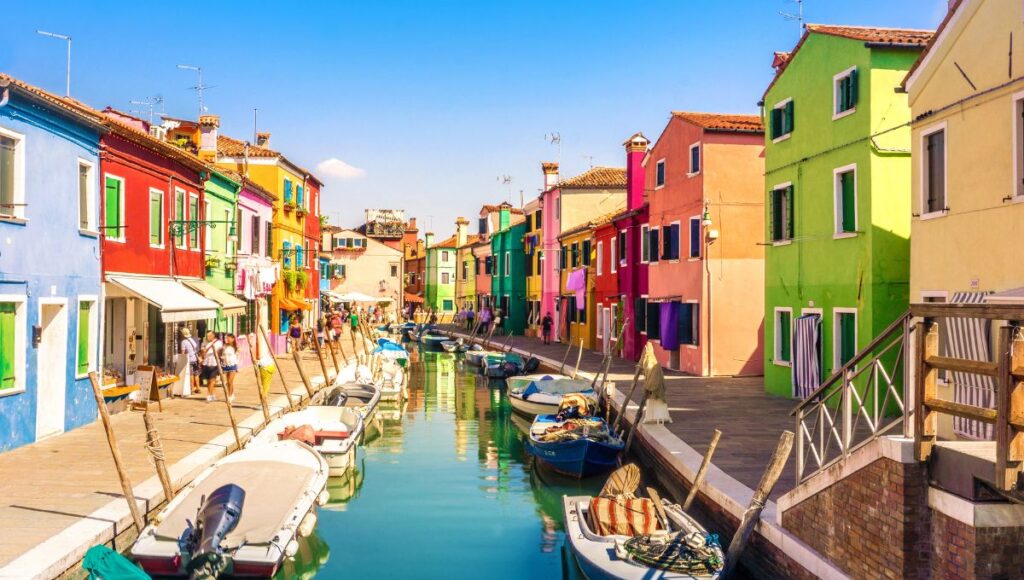
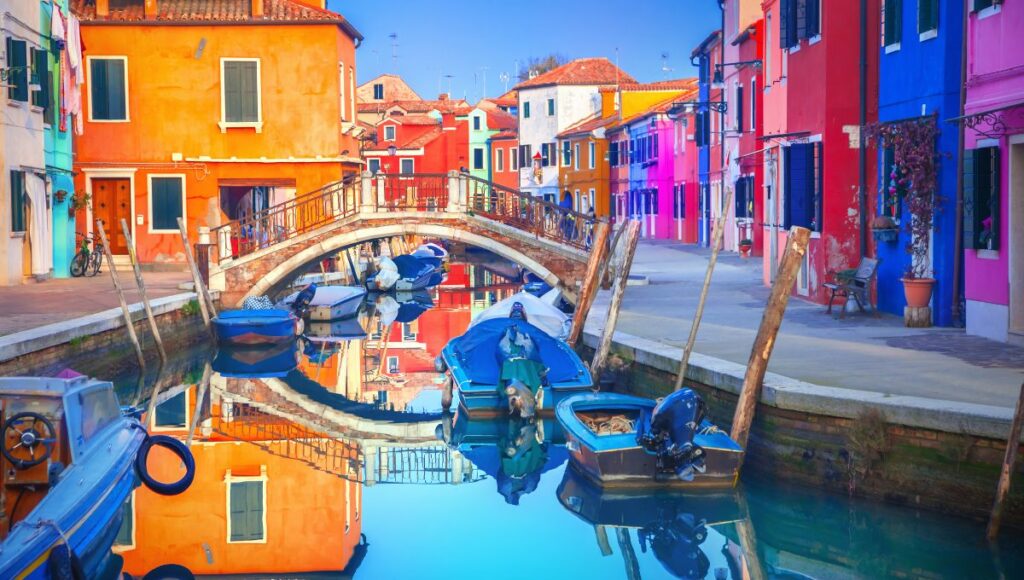
Instead of commuting to the islands, the ship moves to them. The S.S. La Venezia often docks overnight in Burano or nearby Mazzorbo. Because of this, guests can explore in the evening after day visitors have left.
The itinerary also includes Chioggia and the Po Delta. These destinations are difficult and expensive to reach independently, which means most land based visitors never see them.
4. Hidden costs
Staying in Venice
At first glance, a land based Venice trip often appears cheaper. In reality, costs accumulate quickly.
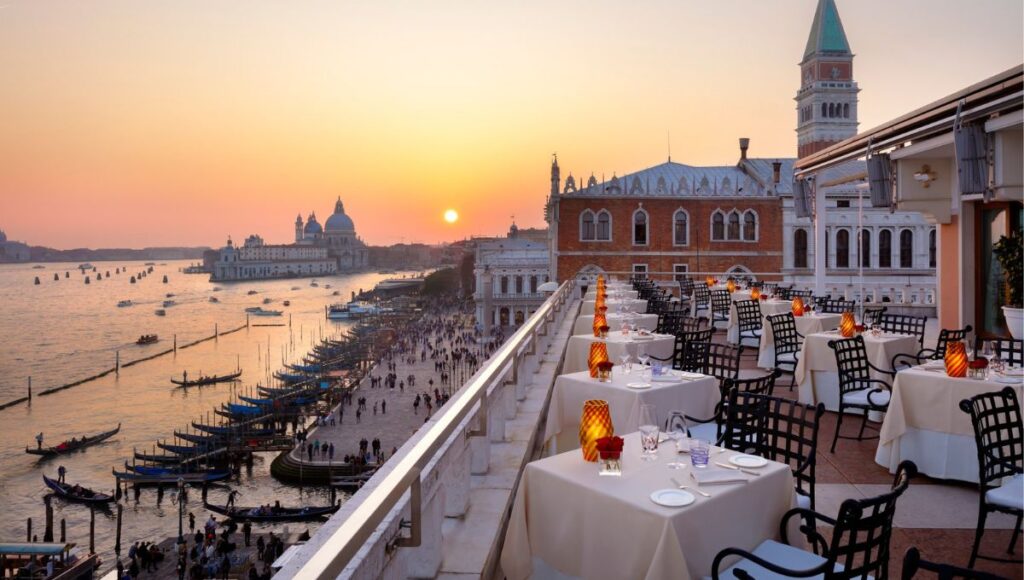
Well located hotels in areas such as San Marco regularly cost between €500 and €700 per night during peak season. On top of this, meals near major attractions are often overpriced and inconsistent in quality.
When you add private transfers, vaporetto passes, attraction tickets, and guided tours, daily spending increases faster than many travellers expect.
Uniworld Venice cruise
A Uniworld cruise has a higher upfront price. However, it includes almost everything.
The fare covers accommodation, all meals, premium wines and spirits, guided walking tours, lagoon excursions, and transfers. Because of this, travellers face fewer unexpected expenses and simpler budgeting.
For many people, this structure offers better overall value and far less financial stress.
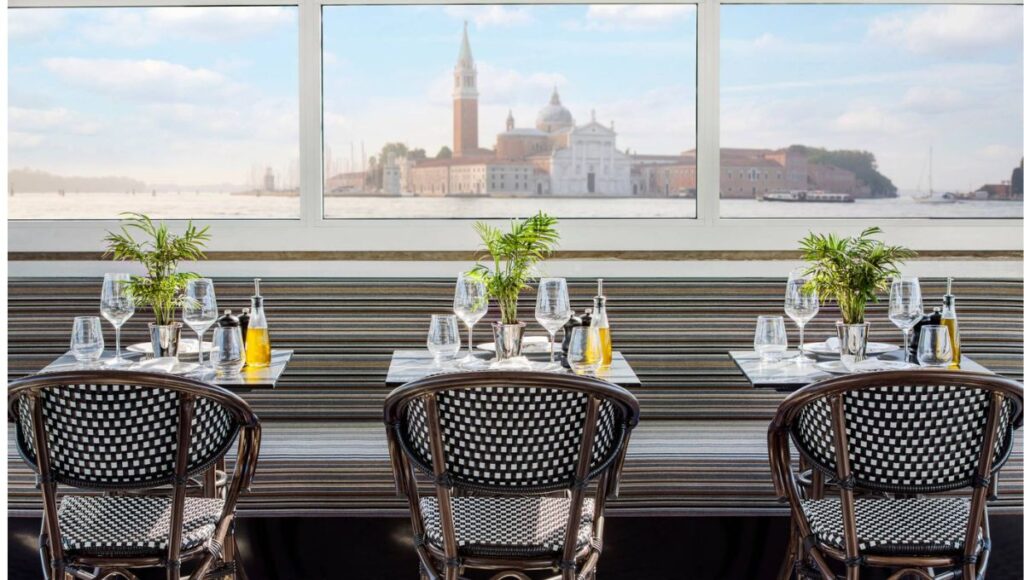
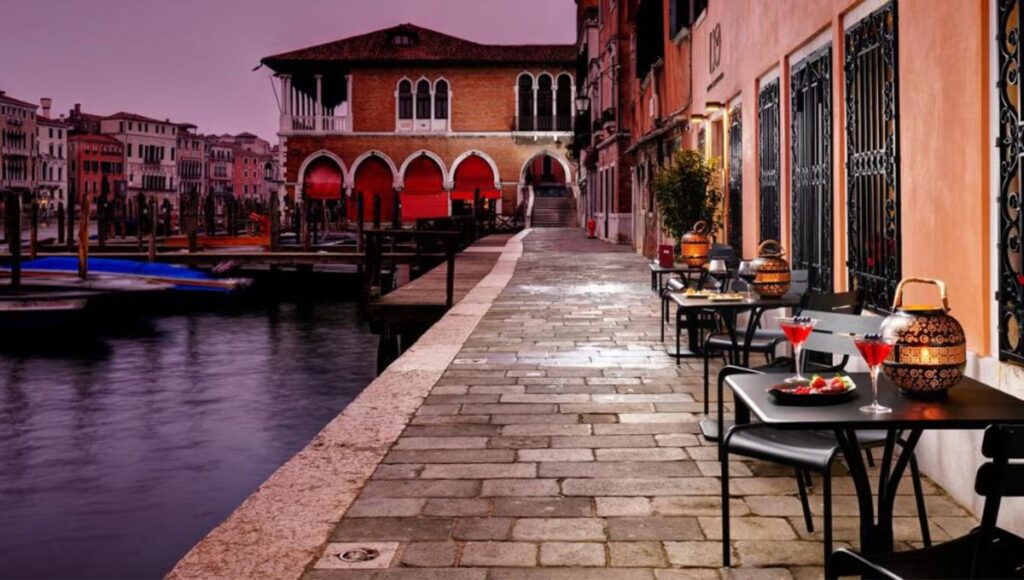
Staying in Venice vs a Uniworld river cruise
Which option suits you best
Staying in Venice suits travellers who enjoy independence, problem-solving, and managing transport and crowds themselves.
A Uniworld river cruise suits travellers who prefer a more structured experience and want to focus on sightseeing rather than logistics.
Both options allow you to see Venice. The key difference lies in how much effort is required to enjoy it.
Considering a Uniworld Venice river cruise
If experiencing Venice at its calmest feels important, exploring the Uniworld S.S. La Venezia itinerary is a logical next step. It offers a clearer picture of how the journey works and whether this style of travel suits the way you like to explore.