Cruise Ship Terminology Explained: The Ultimate Guide for First-Time and Experienced Cruisers
Cruise ship terminology can feel confusing, even for seasoned travellers. From nautical directions like port and starboard to emergency announcements such as Code Bravo, cruise ships operate with their own language. This guide explains cruise ship terminology in clear, simple language so passengers know exactly what to expect onboard.
Whether you are planning your first cruise or want to understand exactly what those onboard announcements mean, this comprehensive guide explains the most important cruise ship terms, dining jargon, cabin categories, and emergency codes so you can cruise with confidence.
This guide is written by cruise specialists at Paramount Cruises, helping thousands of guests choose the right ship, cabin, and cruise line every year.
Cruise Ship Directions Explained
Unlike land-based directions, cruise ships use fixed nautical terms, so directions never change, regardless of which way you are facing.
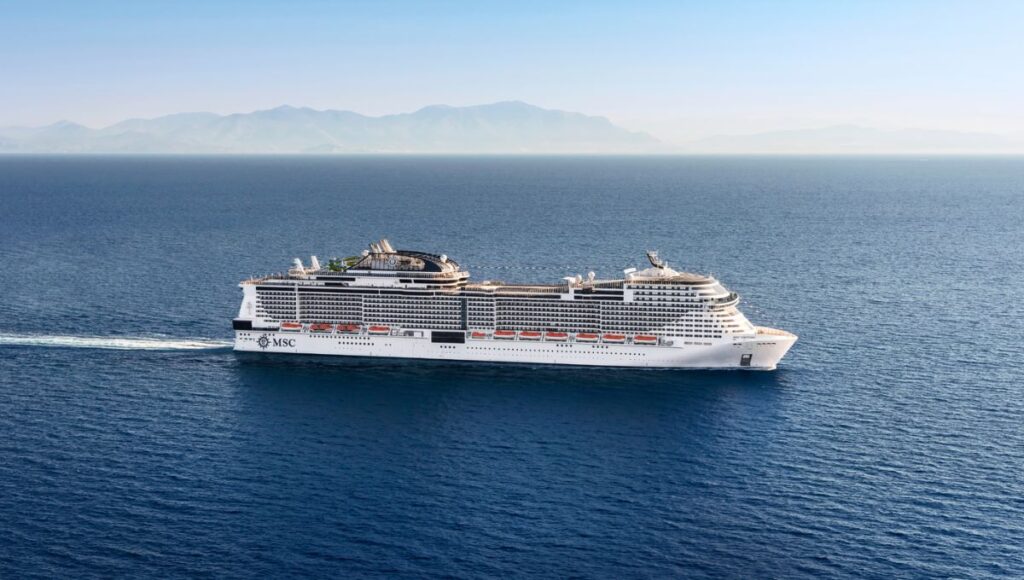
Bow refers to the front of the ship. This is where the ship cuts through the water and often where you will find observation areas.
Stern is the back of the ship and is a popular place to watch the wake and enjoy quieter outdoor spaces.
Forward means walking toward the bow, while aft means walking toward the stern.
The port is the left side of the ship when you are facing forward. A helpful memory trick is that port and left both have four letters.
Starboard is the right side of the ship when facing forward. Ships use navigation lights to help identify sides, with red lights on the port side and green lights on the starboard side.
Cruise Cabin Terms and Deck Layouts
Understanding cruise ship cabins and deck plans helps you choose the best location for comfort and value.
Decks are numbered from the bottom of the ship upwards. Most cruise ships embark passengers on Deck 4 or 5, depending on the vessel.
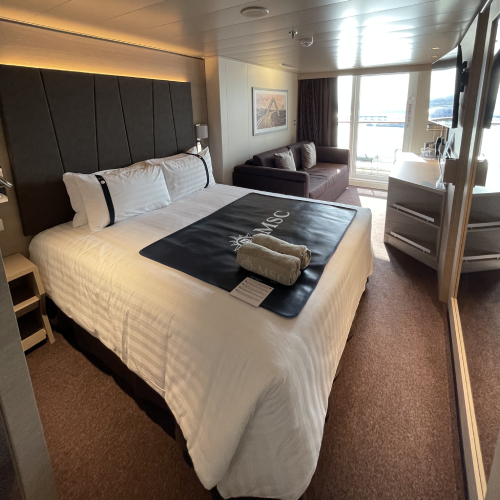
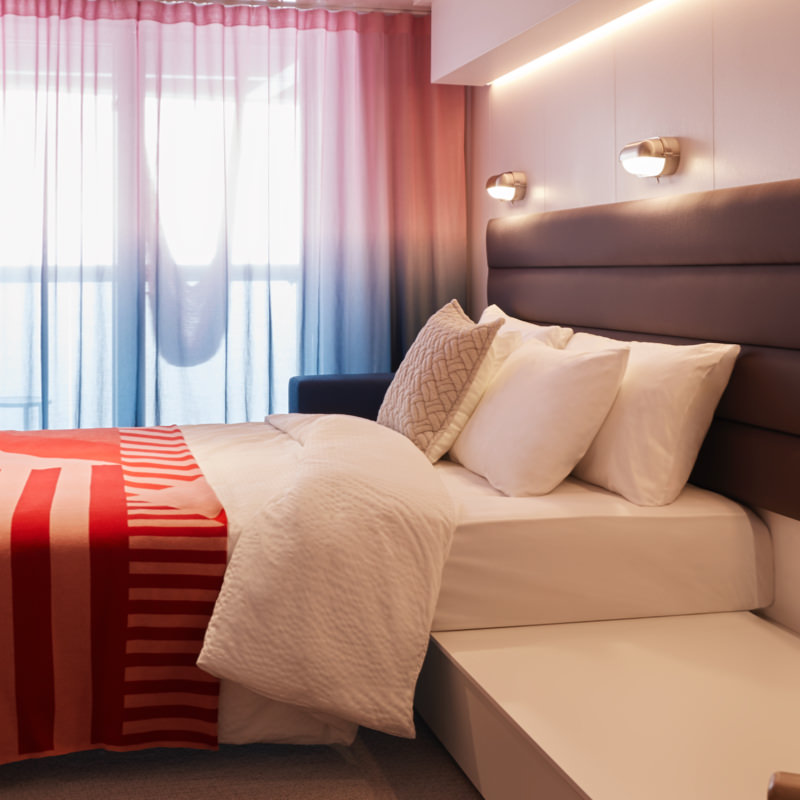
A stateroom is the cruise industry term for your cabin. This applies to inside cabins, oceanview cabins, balcony cabins, and suites.
A berth refers to a sleeping space. A ship with 3,000 berths can accommodate 3,000 passengers. Upper berths or Pullman beds fold down from the wall or ceiling to sleep additional guests.
A guaranteed cabin means you select a cabin category, such as a balcony cabin, but not the exact cabin number. The cruise line assigns the cabin closer to sailing, guaranteeing the category or better. This option is usually cheaper but may result in a less desirable location.
Cabin location tips are especially important. If you are prone to seasickness, choose a lower-deck, mid-ship cabin where movement is minimal. If you are sensitive to noise, avoid cabins directly beneath the pool deck or promenade deck, where early-morning chair movement or late-night entertainment can be disruptive.
Cruise Ship Dining Options Explained
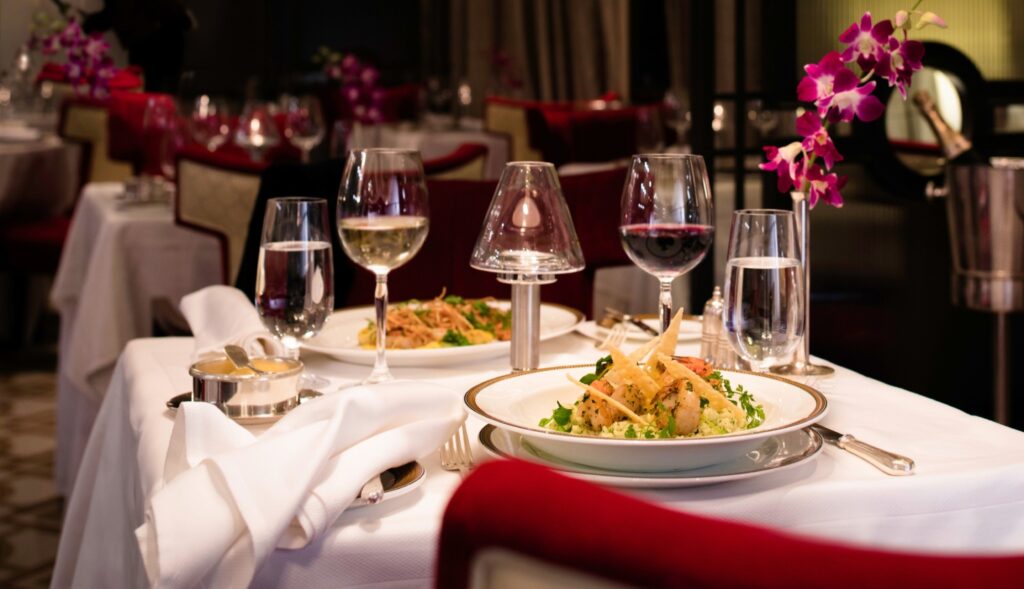
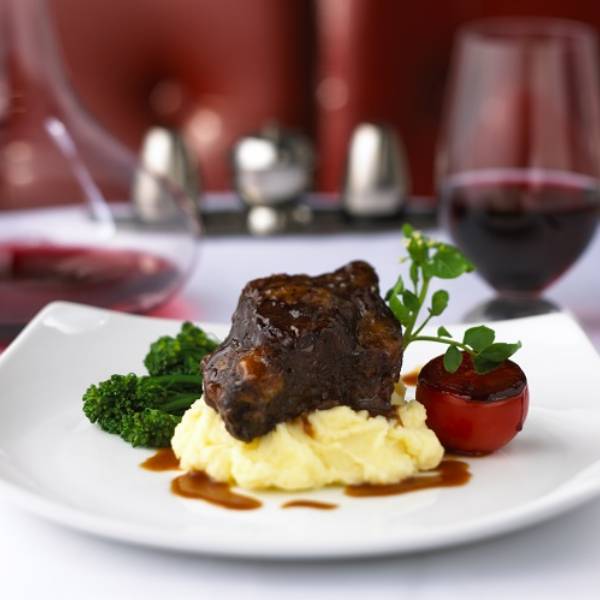
Cruise ship dining has evolved significantly, offering more flexibility than ever before. Meals in the main dining room and buffet are included in your cruise fare.
Traditional or fixed dining assigns you a specific dining time and table for the duration of the cruise. Early seating typically begins between 5 and 6 pm, while late seating is usually around 8 pm.
The benefits of fixed dining include having the same waiters each evening and avoiding queues. The drawback is reduced flexibility, particularly on port days.
Flexible dining, sometimes called dining anytime, allows you to dine at a time that suits you within dining room opening hours.
Norwegian Cruise Line calls this Freestyle Dining, Royal Caribbean uses My Time Dining, Carnival offers Your Time Dining, and Princess Cruises refers to it as Dine My Way.
Flexible dining offers freedom around excursions and onboard activities but may involve short waits during peak dining times if reservations are not made in advance.
Essential Cruise Ship Terms Every Passenger Should Know
A muster drill is a mandatory safety briefing held before the ship departs. Guests must attend to learn their assigned muster station in case of an emergency.
A tender is a small boat used to transport passengers from ship to shore when the cruise ship cannot dock directly at a port.
The gangway is the ramp or bridge used to board and exit the ship while in port.
A pilot is a local maritime expert who boards the ship to assist the captain when navigating certain ports or narrow waterways.
Gratuities are service charges shared among the crew. These are usually added automatically to your onboard account, but can sometimes be adjusted.
Onboard credit, often abbreviated to OBC, is spending money added as a booking incentive and can be used for drinks, shore excursions, spa treatments, and onboard shopping.
Learning basic cruise ship terminology makes it easier to understand announcements, deck plans, and dining options.
Cruise Ship Emergency Codes Explained
Cruise ships use coded announcements to communicate emergencies discreetly without alarming passengers.
Code Alpha indicates a medical emergency.
Code Bravo refers to a fire or serious onboard incident. Repeating the code signals the exact location to the crew.
Code Oscar means man overboard.
Code Delta often relates to hull damage or a biohazard situation.
Code Echo warns of potential collision risks, strong winds, or the ship drifting.
Code Kilo instructs crew members to report to emergency stations.
Code Zulu is used to report a fight or physical altercation onboard.
Brightstar is a severe medical emergency code used by some cruise lines, often referring to a cardiac event.
Mr Skylight is a general emergency alert historically used during major maritime incidents.
Clean-up codes such as 30-30 or Purell discreetly indicate spills or sanitation issues that require attention.
Cruise Ship Crew Slang You Might Hear Onboard
Crew members often develop their own slang due to living and working together for extended periods.
A banana refers to receiving a warning or reprimand from a supervisor.
Mafia is an informal term used jokingly to describe crew members from the same country supporting one another.
Paisano refers to a crew member from the same home country.
Washy washy is the friendly phrase used to encourage hand sanitiser use at buffet entrances, helping prevent illness onboard.
Next cruise is a humorous expression meaning something is unlikely to happen.
Passenger Rights on a Cruise Ship
Cruise passengers are protected by a Passenger Bill of Rights. This includes the right to a refund if a cruise is cancelled due to mechanical failure, access to emergency power if generators fail, and the right to disembark a docked ship if essential services such as food, water, or restroom facilities cannot be adequately provided.
Frequently Asked Cruise Ship Terminology Questions
What does Code Bravo mean on a cruise ship?
Code Bravo indicates a fire or serious onboard emergency requiring immediate crew response. Cruise ship terminology refers to the nautical language and onboard terms used across modern cruise ships.
How can passengers view cruise ship restaurant menus in advance
Most cruise lines allow guests to view dining menus through the cruise line app or onboard digital screens before dining.
Which cruise ship emergency code indicates a cardiac event
Brightstar is commonly used to signal a severe medical emergency, including cardiac arrest.
Why Trust Paramount Cruises
At Paramount Cruises, we specialise exclusively in cruise holidays. Our expert advisors help you choose the right ship, cabin, dining style, and itinerary, ensuring you enjoy a seamless and stress-free experience from booking to disembarkation.
If you’re new to cruising, you may find some of the terminology slightly confusing, so we’ve tried to explain and simplify as much of the jargon as possible for you. From working out how to choose your perfect cabin on the ship, all the way to understanding some of the terms used once you finally embark, this guide should help make life that little bit easier.
Forward – This is pretty straightforward (pun intended); it’s basically the front part of the ship.
Mid-ship – Another easy term to understand, this is the middle of the ship, where the most sought-after cabins are often found.
Aft – This is the back of the ship. It isn’t necessarily a bad place to be; in fact, aft-facing balcony cabins are often one of the first to sell out.
Starboard – The right side of the ship.
Portside – The left side of the ship, the easiest way to remember this is that left and port both have four letters.
Deck plan – The map of the ship. It will show the complete layout of the ship, including cabins, restaurants, and public venues. You’ll probably check it when choosing your cabin and, most importantly, once onboard to navigate around the ship.
Gangway – You’ll often see signs onboard pointing “to the gangway”; this is the ramp from which you can enter and exit the ship.
Muster station – This is where you will need to meet in case of an emergency. You’ll have a set location, normally noted on your cruise card or in your cabin.
Muster drill – At the beginning of your cruise, you’ll need to attend a muster drill, which is the safety briefing, similar to that on an aeroplane, and attendance is compulsory.
Back-to-back – A back-to-back cruise is when you book one cruise after another. Some cruise lines even offer a discount when booking two consecutive cruises.
Berth – You may hear that a ship has a certain number of berths; this is essentially the word used to describe a passenger’s bed. So, if a ship has 2000 berths, it has space to hold 2000 passengers.
Upper berth – Essentially a bunk bed. If there are more than 2 people in a cabin, the extra guests will sleep in either a pull-out sofa bed or an upper berth, which is also known as a pullman bed.
Pullman bed – As previously mentioned, this is normally a pull-down bed which, when not in use, can be stowed in the ceiling or wall. Your stateroom attendant will make up this bed during turndown.
Tender – In most ports, you’ll be docked and able to walk on and off the ship via a gangway; however, on some occasions, the ship will drop anchor, and you’ll be transferred to shore on tender boats. These will either be the ship’s lifeboats or small boats provided by the port you’re visiting.

Stateroom – Another way of saying cabin. It’s basically your room for the duration of your cruise.
Grade – You’ll often hear this word when referring to a cabin grade. It’s how cruise lines differentiate cabins of the same type but in different locations. So, for example, if you’re looking to book a balcony cabin, you may find that a midship balcony is a higher grade compared to a balcony in a forward or aft position. The higher the grade, the more sought-after the cabin is likely to be, and therefore, the price will likely be higher.
Guarantee cabin – Possibly the most confusing cruise jargon of them all, and the one that makes the least sense, but here goes nothing. A Guarantee Cabin is a cabin which is allocated to you by the cruise line; you’re unable to actually choose your cabin number, however, you are guaranteed to receive the type of cabin you booked. So if you booked a Guaranteed Balcony Cabin, you can’t be downgraded to an outside or inside cabin. Think of it like staying in a hotel, you can book a type of room, but you’ll never know your room number until you actually check in.
Gratuities – These are the tips paid to the crew onboard for their fantastic service. Some cruise lines include gratuities as part of the cruise fare, whilst others will allow you to pre-pay these before you travel. Otherwise, in many cases, they will be added to your onboard account, which you can settle at the end of your cruise.
Understanding cruise ship terminology before you sail helps ensure a smoother, more relaxing cruise experience.