Barcelona, Rome and the French Riviera, or Santorini, Dubrovnik and Ephesus? That is often the choice facing anyone trying to decide between an Eastern and Western Mediterranean cruise.
Although the two regions share the same sea, the holidays can feel surprisingly different. The Western Mediterranean tends to be about big-name cities, famous landmarks and a huge choice of ships, while the Eastern Mediterranean shifts the focus towards Greek islands, ancient sites, Adriatic old towns and some spectacular coastal scenery.
So which should you choose? The best place to start is with the destinations you most want to see.
Last updated: 7 September 2026.
Eastern or Western Mediterranean: the quick answer
If this is your first Mediterranean cruise and Barcelona, Rome, Florence and Naples are still on your wish list, I would probably start with the Western Mediterranean. Flights from the UK are generally straightforward, there is a huge choice of cruise lines and you can fit an impressive amount into a seven-night itinerary.
The Eastern Mediterranean is the one I would lean towards if the destinations themselves are the main attraction. Think Santorini, Mykonos, Dubrovnik, Athens and Ephesus, often on itineraries where almost every day brings somewhere completely different.
If Greece is really what you are interested in, it is also worth looking specifically at our Greek Island cruises. These itineraries can spend far more of the week exploring the Aegean, rather than simply including one Greek port as part of a wider Mediterranean cruise.
What counts as the Eastern and Western Mediterranean?
There are some blurred lines, and cruise lines do not always categorise their itineraries in exactly the same way. Broadly speaking, Western Mediterranean cruises explore Spain, the Balearic Islands, southern France, Monaco and the western coast of Italy, with popular ports including Barcelona, Palma, Marseille, Cannes, Genoa, Livorno, Civitavecchia and Naples.
Eastern Mediterranean cruises tend to focus more heavily on Greece, the Greek Islands, Croatia, Montenegro and Turkey. Typical itineraries can include Athens, Santorini, Mykonos, Rhodes, Corfu, Dubrovnik, Split, Kotor, Kusadasi and Istanbul.
Malta can appear on either, while longer cruises often cross from one side of the Mediterranean to the other. A sailing between Rome and Athens, for example, can give you a taste of both regions in one holiday.
What is a Western Mediterranean cruise really like?
The Western Mediterranean is hard to beat if you enjoy city sightseeing. A typical seven-night itinerary can put you within reach of some of Europe’s most famous landmarks on consecutive days, from Gaudí’s Barcelona to the Colosseum in Rome and the ruins of Pompeii.
That variety is one of the region’s biggest strengths. You can spend one day immersed in history and culture, then follow it with a slower day in Palma, along the French Riviera or on the Italian coast.
Barcelona is both a brilliant city break and one of the Mediterranean’s major cruise ports, making it particularly easy to add a night or two before sailing. Civitavecchia gives you access to Rome, although the port sits some distance from the centre, so it pays to plan your sightseeing rather than expecting to step straight off the ship into the city.


From Livorno, Florence and Pisa are the obvious draws, while Naples opens up a huge range of possibilities including Pompeii, Herculaneum, Capri, Sorrento and the Amalfi Coast. Ports such as Palma, Marseille, Cannes and Genoa add a more relaxed change of pace, with the option to explore independently rather than booking an excursion every day.
For me, that mix of famous sights and easier port days is what makes the Western Mediterranean such a strong first choice.
What is an Eastern Mediterranean cruise like?
The Eastern Mediterranean has a different feel. There are major cities such as Athens and Istanbul, but many cruises are more about the individual destinations, landscapes and historic sites than ticking off Europe’s biggest cities.
Greece is naturally a huge part of the appeal. Santorini brings the caldera views and whitewashed villages, Mykonos mixes winding streets, waterfront restaurants and beaches, while Rhodes, Crete and Corfu each offer something quite different.
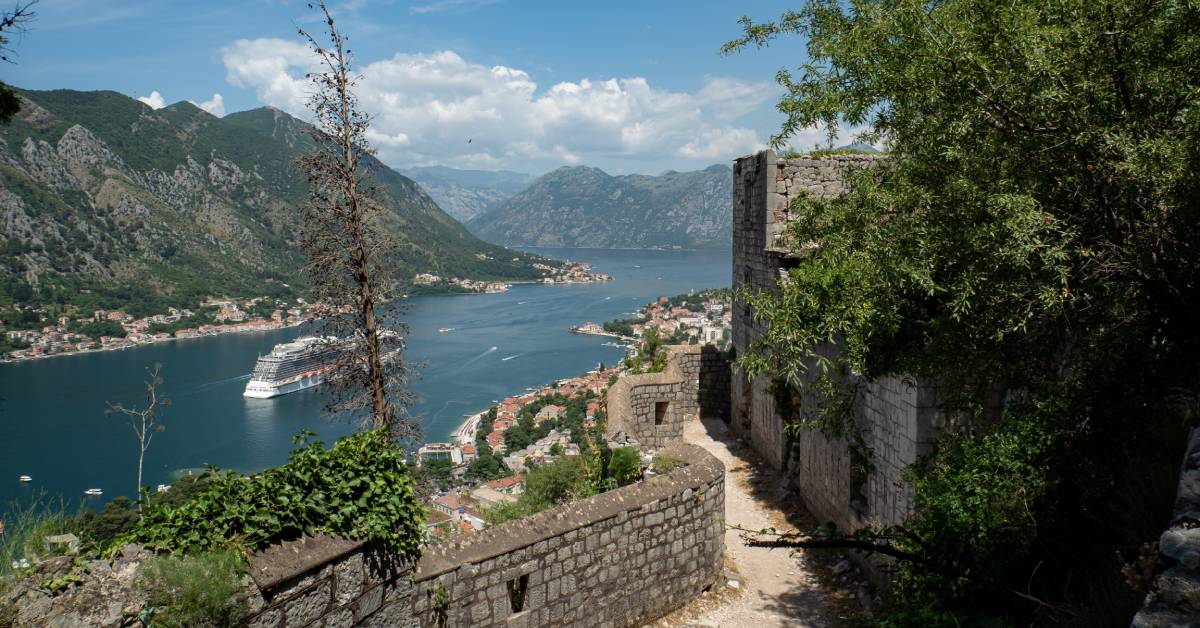
Further north, the Adriatic changes the scenery again. Dubrovnik is one of the Mediterranean’s most memorable ports, while Split and Kotor are compact enough to start exploring almost as soon as you leave the ship.

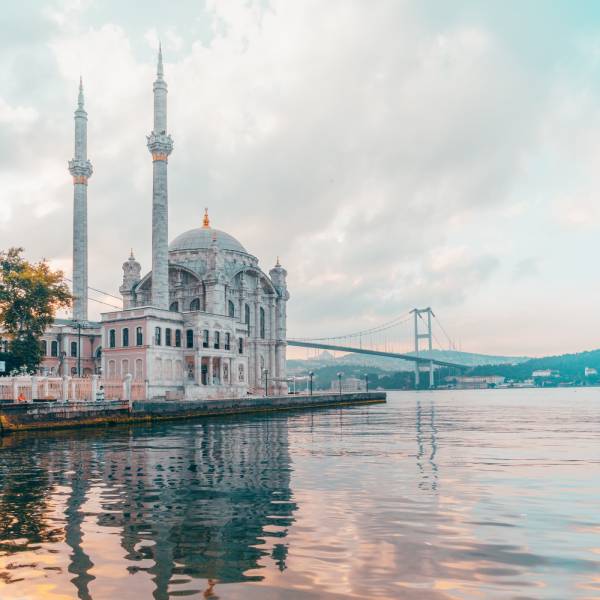
Turkey adds another dimension. From Kusadasi, Ephesus is one of the standout archaeological sites you can visit on any Mediterranean cruise, while Istanbul is somewhere I would happily add a couple of nights before or after sailing if the itinerary allows.
One thing to watch with Eastern Mediterranean cruises is how port-intensive they can be. Five or six ports in a week sounds fantastic, and it is, but trying to squeeze a full-day excursion into every stop can turn the holiday into a fairly hectic one.
When is the best time to cruise the Mediterranean?
For sightseeing, I would happily choose spring or autumn over the height of summer. April and May are particularly good if you want to explore cities and archaeological sites without the most intense heat, although the sea can still feel fairly cool earlier in the season.
June to August is peak Mediterranean season, bringing hotter weather, busy ports and plenty of families travelling during the school holidays. The Eastern Mediterranean, particularly Greece and Turkey, can become extremely hot in midsummer, which is worth considering if you plan to spend long days sightseeing.
September and October are two of my favourite months for a Mediterranean cruise. The sea has had all summer to warm up, the weather can still be excellent and the busiest school holiday period has passed.
Winter cruising in the Mediterranean is still more limited than during spring, summer and autumn, but the choice is growing. You can now find everything from brand-new large ships such as MSC World Europa sailing the region through winter to smaller luxury vessels such as Azamara Onward, giving you a much broader range of options than there once was.
Which is easier to reach from the UK?
The Western Mediterranean generally wins when it comes to convenience. Barcelona, Palma and Rome are all well connected to the UK, with plenty of direct flights available during the main cruise season.
Reaching the Eastern Mediterranean usually means spending a little longer in the air, particularly if you are flying to Athens or Istanbul, while direct flights from some regional UK airports may be less frequent.
That does not necessarily make the Western Mediterranean the better holiday. In fact, I often think an Eastern Med cruise works particularly well with a few days added beforehand. Rather than flying into Athens and heading straight to Piraeus, spending two or three nights in the city gives you time to see the Acropolis and Plaka without trying to squeeze everything into one cruise-port day.
Our Mediterranean cruise & stay holidays are ideal for this kind of trip, combining the cruise with flights, hotels and transfers where required.
Is one side of the Mediterranean cheaper than the other?
Not necessarily. There is so much cruise capacity in the Western Mediterranean that you can often find very competitive fares, particularly with lines such as MSC Cruises, Costa Cruises and Royal Caribbean, but that does not mean the Western Med is automatically cheaper.
Eastern Mediterranean fares can be equally attractive, especially outside the school holidays. The cruise itself is only part of the calculation too, as flights, luggage, transfers and hotel nights can make a considerable difference to the overall price.
That is why it is worth comparing the complete holiday rather than getting too fixated on the headline cruise fare. A slightly more expensive sailing with better flights or fewer additional hotel costs may actually work out better overall.
Which cruise lines are best for the Western Mediterranean?
You are spoilt for choice in the Western Mediterranean. MSC Cruises has a huge presence in the region and offers plenty of departure dates and embarkation ports, while Royal Caribbean and Norwegian Cruise Line are particularly strong if the ship and onboard entertainment are just as important as the itinerary.
You will also find Celebrity Cruises, Princess Cruises and Cunard, alongside a wide selection of smaller-ship and premium options.
For families, I would pay as much attention to the ship as the ports. A week visiting Rome, Pompeii and Florence can be brilliant, but having pools, kids’ clubs, slides and entertainment waiting when you return onboard can make a big difference. Our guide to family cruises is useful if you are comparing the different ships and cruise lines.
Which cruise lines are best for the Eastern Mediterranean?
The Eastern Mediterranean has plenty of mainstream choice too. Celebrity Cruises, Norwegian Cruise Line, Virgin Voyages and MSC Cruises all operate extensively in the region, while Celestyal is particularly interesting if you want a cruise focused heavily around Greece and the Aegean.
Lines such as Azamara, Oceania Cruises, Windstar Cruises and Viking are also worth considering if you want smaller ships, longer stays in port or itineraries that venture beyond the usual headline destinations.
The region works particularly well for couples too. If Greece, Croatia or Turkey appeals but huge family ships do not, there is a good selection of quieter premium and adult-only cruises to consider.
So, which Mediterranean would I choose?
For somebody booking their first Mediterranean cruise, I tend to start by asking which destinations they would genuinely be disappointed not to see. That usually makes the decision much easier.
If the answer is Rome, Barcelona, Florence or the Amalfi Coast, look west. If it is Santorini, Mykonos, Dubrovnik, Athens or Ephesus, look east.
I would not automatically save the Eastern Mediterranean for your second cruise either. If Greece is the place you have always wanted to visit, book Greece. The right Mediterranean cruise is the one that takes you to the places you are actually excited about rather than the region somebody says you are supposed to visit first.
“For a first Mediterranean cruise, the Western Med is often the easiest place to start because you have so much choice and so many famous ports. But I wouldn’t choose it simply because it is your first cruise. If Santorini, Dubrovnik or Ephesus are at the top of your list, go east. The itinerary should always come first.”
Josh Harris, Marketing Executive, Paramount Cruises
Plan Your Mediterranean Cruise with Paramount Cruises
Still torn between east and west? Our cruise specialists can compare different cruise lines, ships and itineraries, then put together the complete holiday including your cruise, flights, hotels and transfers where required.
Whether you are planning your first Western Mediterranean cruise, an island-hopping escape around Greece or a longer sailing combining both sides of the Med, we can help find an itinerary that fits the way you want to travel.
Browse our Mediterranean cruises · Call our cruise experts on 020 7947 0270
By Josh Harris. Last updated: 7 September 2026.